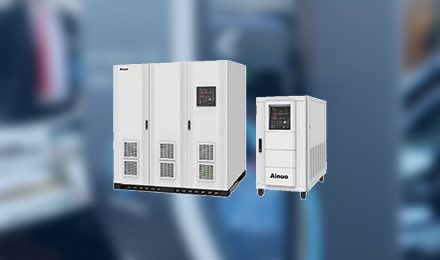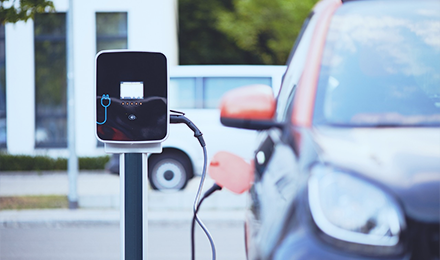
Traditional power systems were designed for one-directional energy flow—from large centralized power plants to consumers. Today, however, the rapid adoption of renewable energy sources, electric vehicles (EVs), distributed generation, and energy storage systems has created a complex environment in which electricity flows in multiple directions across the grid. In this context, the bidirectional power grid simulator has emerged as ean ssential tools for research, testing, validation, and innovation in modern power systems.
This article explores the main applications of bidirectional power grid simulators and their advantages, offering a comprehensive view of how these systems support the evolution of modern smart grids, renewable integration, transportation electrification, and resilient energy infrastructure.
A bidirectional power grid simulator is a system capable of operating in four-quadrant mode, meaning it can both source and sink power while replicating grid conditions such as voltage, frequency, harmonics, and disturbances.
Unlike conventional test power supplies, bidirectional simulators can emulate real grid behavior, including voltage dips, phase imbalances, frequency deviations, and fault events. These features allow realistic testing of devices that interact dynamically with the grid.
Modern simulators often support programmable parameters, hardware-in-the-loop (HIL) operation, and regenerative capability—allowing energy fed back from the device under test to be returned to the grid instead of being dissipated as heat.
Because contemporary electrical systems increasingly involve distributed energy resources (DERs), such as solar photovoltaics, wind turbines, and battery storage, bidirectional simulation has become critical for understanding system behavior and ensuring safe grid integration.
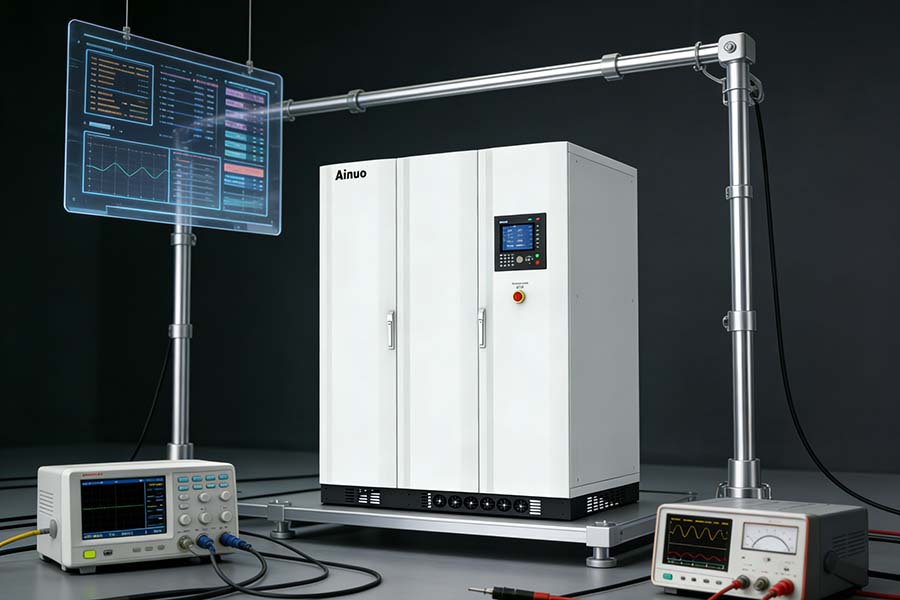
Traditional grids were designed for one-way power delivery, but modern grids involve continuous exchanges between multiple actors—utilities, prosumers, storage systems, and vehicles.
In microgrids and renewable systems, excess energy may be exported to the utility grid during low demand and imported when local generation is insufficient. Bidirectional power flow also enables technologies like vehicle-to-grid (V2G), where EVs can provide reserve power or improve power quality by acting as reactive power compensators or filters.
These developments make it necessary to test equipment under conditions where energy flows in both directions—something only bidirectional grid simulators can accurately reproduce.
Application Overview
One of the most important uses of bidirectional grid simulators is in R&D for grid-connected devices, such as:
Before these products enter the market, they must demonstrate compatibility with grid standards and operating conditions.
Bidirectional simulators can reproduce required test waveforms such as voltage ride-through, frequency variation, and harmonic disturbances, helping manufacturers verify compliance early in the development process.
They also allow engineers to simulate a wide range of grid conditions and disturbances to evaluate regenerative devices.
Advantages
Application Overview
Grid-connected equipment must meet strict international standards such as IEC, IEEE, and regional grid codes. Bidirectional grid simulators automate standardized tests, including anti-islanding protection and safety verification.
They can reproduce specific fault scenarios such as voltage sags, ride-through events, and grid asymmetry—conditions required by certification procedures.
Advantages
Application Overview
Renewable energy introduces variability, intermittency, and reduced system inertia—challenges that must be addressed before large-scale deployment.
Bidirectional grid simulators help reproduce realistic grid scenarios for photovoltaic, wind, and hybrid systems to ensure stable integration.
They also allow simulation of voltage fluctuations, harmonics, and frequency deviations caused by renewable generation.
Advantages
Application Overview
Smart grids rely on real-time data, distributed generation, and dynamic control strategies. Power system simulators allow engineers to create miniature or virtual grids to analyze power flow, data flow, and control interactions.
In microgrids, bidirectional power flow enables energy exchange between local generation, storage, and the main grid.
Simulators also allow testing of impedance, power factor, and reactive power conditions relevant to distributed energy systems.
Advantages
Application Overview
Bidirectional grid simulators are widely used to test EV charging systems, onboard chargers, wall boxes, and vehicle-to-grid interfaces.
In V2G operation, EV batteries can return power to the grid, acting as distributed storage that supports peak demand and improves power quality.
Advantages
Application Overview
Modern bidirectional grid simulators support hardware-in-the-loop testing, allowing real devices to interact with simulated grid environments in real time.
This approach enables validation of control algorithms, protection devices, and converters under realistic operating conditions without risking actual grid disturbances.
Advantages
Application Overview
Bidirectional simulators can reproduce disturbances such as:
These conditions are essential for evaluating how devices respond to real-world grid events.
Advantages
Application Overview
Battery energy storage systems interact dynamically with the grid, charging during surplus and discharging during peak demand.
Bidirectional grid simulators allow testing of ESS power conversion systems, inverters, and control algorithms under varying grid conditions.
Advantages
Beyond specific applications, several overarching advantages explain their growing adoption.
Many modern systems can return absorbed energy to the grid, achieving energy recovery rates above 90%. This reduces operating costs and heat dissipation compared with traditional load banks.
Advanced switching technology enables high system dynamics and accurate reproduction of grid behavior.
Users can configure voltage, frequency, phase angles, harmonics, and power factor settings to match various regional grid standards.
Modular architectures allow expansion from tens of kilowatts to megawatt-level systems.
Modern digital designs require less building infrastructure compared with older analog amplifier-based systems.
The bidirectional power grid simulator has evolved from specialized laboratory tools into foundational technologies for modern power engineering. Their ability to replicate real grid conditions while enabling two-way energy flow makes them indispensable across a wide range of applications—from renewable integration and smart grid development to EV charging, certification testing, and advanced research.
*Please fill in the required information carefully, and we will contact you within 4-8 hours.

 TEL:+86 532 83995188
 PHONE:+86 177 5322 5039
 E-MAIL:ainuo@ainuo.com
 ADDRESS:No. 134 Zhuzhou Rd, Laoshan District, Qingdao, China


Copyright©2025. Aino Instrument Co., Ltd All Rights Reserved.
Powered by:WDL