As electric vehicles (EVs) and renewable energy systems continue to reshape the global energy landscape, accurate electrical measurements have become more critical than ever. Engineers and manufacturers rely on precise testing equipment to ensure the efficiency, safety, and reliability of modern power systems. Among the most essential instruments in this process is the three-phase power analyzer.
From evaluating EV drivetrains to optimizing solar inverters and wind turbines, three-phase power analyzers provide comprehensive insights into power quality, energy efficiency, and electrical performance. This article explores their role in EV and renewable energy testing and why they have become indispensable in today's energy transition.
What Is a Three-Phase Power Analyzer?
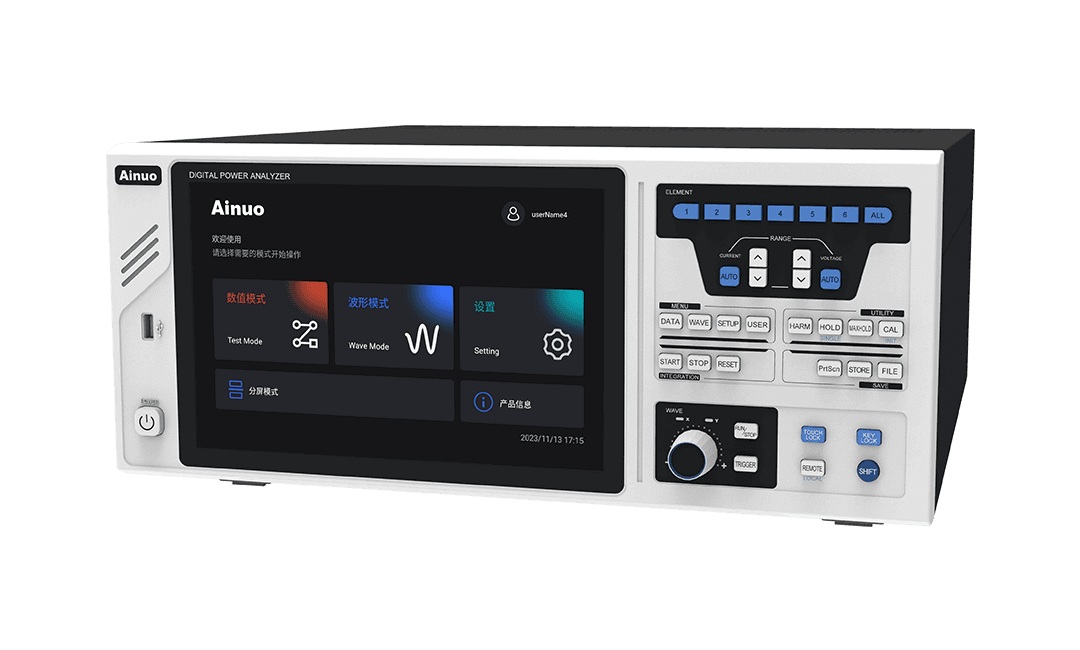
A three-phase power analyzer is a precision test instrument designed to measure and analyze electrical parameters in three-phase AC power systems. Unlike standard power meters, it simultaneously captures multiple electrical variables, including:
By providing high-accuracy measurements across multiple channels, these analyzers help engineers validate system performance under real-world operating conditions.
Why Three-Phase Measurement Matters
Most industrial equipment, EV powertrains, charging stations, renewable energy inverters, and grid-connected systems operate using three-phase electrical power. Accurate analysis of all three phases is necessary to:
Without synchronized three-phase measurements, critical system inefficiencies can go unnoticed, leading to reduced performance and increased operating costs.
Applications in Electric Vehicle (EV) Testing
1. Electric Motor Efficiency Testing
Electric motors are at the heart of every EV. Engineers use three-phase power analyzers to measure:
These measurements help optimize motor designs while reducing energy losses.
Battery systems require precise power monitoring during charging and discharging cycles. A power analyzer enables engineers to:
These insights contribute to improved battery lifespan and overall vehicle performance.
Manufacturers test Level 2 and DC fast chargers using three-phase power analyzers to verify:
Reliable charger testing ensures safe and efficient energy transfer to electric vehicles.
The traction inverter converts DC battery power into AC power for the motor. Engineers analyze:
Accurate measurements improve inverter performance while minimizing heat generation.
Role in Renewable Energy Testing
Solar Inverter Testing
Solar photovoltaic systems rely on high-performance inverters to convert DC electricity into usable AC power. Three-phase power analyzers measure:
These tests help maximize energy production while maintaining grid stability.
Wind turbines generate variable electrical outputs depending on wind conditions. Engineers use power analyzers to monitor:
This data supports predictive maintenance and improves overall energy production.
Battery energy storage systems (BESS) play a crucial role in balancing renewable power generation. Power analyzers help evaluate:
These measurements ensure storage systems operate at peak performance.
Monitoring Power Quality
Poor power quality can reduce equipment lifespan and lower system efficiency. Three-phase power analyzers identify issues such as:
Early detection enables engineers to correct problems before they affect system reliability.
Improving Energy Efficiency
Energy efficiency is a top priority for EV manufacturers and renewable energy developers. Power analyzers provide detailed efficiency mapping across different operating conditions, helping engineers:
The result is better-performing systems with reduced energy waste.
Supporting Compliance and Certification
Many EV and renewable energy products must meet international electrical standards before entering the market. Three-phase power analyzers assist with compliance testing by providing accurate measurements for:
High-precision measurement data simplifies certification and accelerates product development.
Key Features to Look for in a Three-Phase Power Analyzer
When selecting a three-phase power analyzer for EV or renewable energy testing, consider features such as:
These capabilities enable engineers to perform comprehensive electrical analysis across a wide range of applications.
Benefits of Using Three-Phase Power Analyzers
Using a high-quality three-phase power analyzer offers several advantages:
As EVs and renewable energy technologies continue to evolve, these instruments remain essential for ensuring optimal electrical performance.
Conclusion
The rapid growth of electric vehicles and renewable energy systems has increased the demand for precise electrical testing. Three-phase power analyzers play a pivotal role by delivering accurate measurements of power, efficiency, harmonics, and power quality across complex electrical systems.
Whether testing EV motors, battery chargers, solar inverters, wind turbines, or energy storage systems, these instruments provide the reliable data engineers need to improve performance, enhance efficiency, and meet stringent industry standards. Investing in a high-quality three-phase power analyzer not only supports product innovation but also contributes to a more efficient and sustainable energy future.
*Please fill in the required information carefully, and we will contact you within 4-8 hours.

 TEL:+86 532 83995188
 PHONE:+86 177 5322 5039
 E-MAIL:ainuo@ainuo.com
 ADDRESS:No. 134 Zhuzhou Rd, Laoshan District, Qingdao, China


Copyright©2025. Aino Instrument Co., Ltd All Rights Reserved.
Powered by:WDL